If you run a logistics company, 3PL, fulfillment, warehousing, freight, or last-mile, then you’ve probably experienced the same frustrating split.
Paid campaigns can generate leads quickly… but costs fluctuate, and lead quality can be inconsistent. SEO can bring steady traffic… but it doesn’t always translate into quote requests.
And when the pipeline is the goal, “traffic” doesn’t calm anyone down.
The real problem isn’t your channels. It’s that most logistics brands run them like separate departments, with different goals, reporting, landing pages, and definitions of success. Meanwhile, your buyers are moving through a single journey: they research, compare, validate, and only then request a quote.
When you treat your marketing the same way your buyer behaves, you stop chasing channel performance and start building a single organic and paid sales channel system that produces predictable revenue outcomes.
If you want Oyova to build an integrated channel plan for your logistics business (SEO + Google Ads + retargeting + tracking), contact Oyova. We’ll map your fastest path to a qualified pipeline and show you what to prioritize first.
Why “Organic vs Paid Marketing” Doesn’t Match How Logistics Buyers Purchase
It’s common to see logistics teams debate organic vs paid marketing like it’s a choice: “Do we invest in SEO or Google Ads?” “Do we keep paying for leads or build the long-term channel?”
But logistics buyers don’t behave like a “single-channel decision.” They don’t read one page and submit a quote request. They look for reassurance that you can actually solve their operational problem.
They’re comparing service capabilities (kitting, FBA prep, B2B fulfillment, returns), they’re checking location coverage, they’re thinking about integrations and SLAs, and they’re watching for proof that you understand their industry.
This is why a blended approach wins. Paid captures demand when someone is ready. Organic builds authority so you’re on the shortlist in the first place. Together, they create sales consistency.
What Organic and Paid Each Do Best (and Why You Need Both)
Think of paid and organic as two different strengths, not two competing programs.
Paid gives you speed. If a prospect is actively searching for a provider, paid search can put you in front of them today, even if your organic rankings aren’t there yet. It’s especially useful when you’re expanding into a new region, launching a new service line, or trying to create consistent lead flow while longer-term initiatives ramp up.
Organic gives you credibility and coverage. It allows you to show up for the research-stage questions that often come before a quote request. Questions your future customers are asking while they decide who even deserves a sales conversation.
The point isn’t to “do both.” The point is to make them reinforce each other. That’s where the cost efficiency shows up, and that’s where the pipeline becomes predictable.
How SEO and PPC Work Together for Sales (Without Competing)
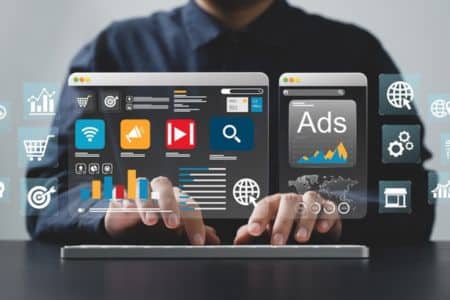 You’ll see a lot of searches like “ppc and seo together” or “seo and ppc integration,” but the reason most brands don’t benefit from that idea is simple: they never connect the systems.
In logistics, paid search often becomes a standalone lead machine. Running to generic pages, measuring success by CPL, and optimizing for volume. SEO becomes a separate content engine while publishing articles and hoping they eventually influence sales.
That’s not integration. That’s parallel work.
Real integration starts when you make both channels answer the same question: What’s the fastest way to generate qualified opportunities for the services we most want to sell?
Paid is typically your fastest feedback loop. It tells you which service angles attract the right prospects, which terms create quote requests, and which regions deliver real lead quality. Then SEO becomes targeted and not broad. Instead of creating “more content,” you create the pages and topics most likely to support revenue.
And while that’s happening, retargeting plays the glue role, keeping you in front of prospects who aren’t ready to request a quote today but are clearly evaluating providers.
If your paid and organic efforts aren’t feeding each other, you’ll spend more than you need to. Oyova designs logistics funnels where SEO and paid work together by design, so performance improves without constant budget increases.
The “SEO + Google Ads” Question Logistics Leaders Actually Mean
You’ll notice a huge amount of search interest around phrases like “SEO and Google Ads,” “Google Ads and SEO,” and even “Do Google Ads help SEO.”
Most articles answer this in a technical way. But in logistics, the real question is usually: “If we spend on Google Ads, will it help us grow faster without wasting money?”
Google Ads doesn’t directly “boost rankings.” But it absolutely helps you make better SEO decisions because it can validate what converts.
If your ads show that “ecommerce fulfillment” converts well but “warehousing services” attracts tire-kickers, that’s not just a PPC insight. That’s an SEO roadmap. It tells you what pages deserve the most attention, what messaging belongs in your headers, what proof you should emphasize, and what offer needs to be front and center.
This is how you stop building marketing assets that look good on paper but don’t generate pipeline.
What a High-Performing Organic and Paid Sales Channel Looks Like for Logistics
The simplest way to think about this is that your paid strategy shouldn’t be trying to do everything. It should be capturing the buyers who are already close to making a decision. Your organic strategy should be building the authority and coverage that make you a confident choice.
When that’s working, the experience for your customer feels seamless. They might first discover you through a helpful organic page. Later, they see your paid listing when they search again with higher intent. They click, recognize your name, land on a page that matches exactly what they’re looking for, and the quote request finally happens.
That path might take days or weeks, especially in 3PL and B2B logistics. Your job is to be present and consistent at each stage, so the prospect never has to “rediscover” you.
Oyova builds this system end-to-end: the pages, the campaigns, and the tracking that connects marketing efforts to the pipeline. If your goal is sales and not just leads, then contact Oyova.
The Metrics That Matter (If Sales Is the Goal)
When teams aren’t aligned, they tend to report what’s easiest: impressions, clicks, CTR, traffic growth.
Those aren’t useless, but they’re rarely what leadership cares about.
In logistics, what matters is whether your channels are producing qualified opportunities reliably and whether the cost is trending in the right direction. Paid should be measured by lead quality, conversion performance by theme, and the ability to consistently create quote activity. Organic should be measured by growth in high-intent visibility and whether your service/location pages are converting, and not just whether blog traffic is rising.
The best reporting view for leadership is blended: how organic and paid together influence quote requests, booked calls, and the pipeline.
Why Logistics CPL Gets Inflated (and What to Fix First)
Most “expensive leads” aren’t caused by the platform. They’re caused by misalignment.
If paid clicks go to a generic page, the conversion rate suffers. If SEO content doesn’t guide prospects toward a real next step, it becomes passive traffic. If retargeting isn’t present, you lose prospects who were interested but not ready. If tracking is messy, optimization becomes guesswork.
The good news is you usually don’t need to reinvent your marketing; you need to connect it. Once your pages, campaigns, and measurement share the same goal, your cost per lead becomes a lot more stable, and your sales team stops feeling like marketing is “random.”
How Oyova Helps Logistics Brands Turn Organic + Paid Into Revenue
 Oyova’s approach is straightforward: build a system that generates a qualified pipeline and gives you clarity on what’s working.
If you’ve been stuck in the cycle of “SEO traffic but no leads” or “paid leads but too expensive,” this is usually the missing piece: integration built around sales.
Want a real, organic, and paid sales channel strategy for logistics built around RFQs, booked calls, and pipeline? Then contact Oyova. We’ll map what to prioritize first and what results to expect from each channel as they work together.
Related Posts

How Organic and Paid Channels Work Together for Sales in Logistics
If you run a logistics company, 3PL, fulfillment, warehousing, freight, or last-mile, then you’ve probably experienced the same...
Read More
Scaling Digital Marketing for Law Firms, Logistics, and Healthcare
Scaling digital marketing isn’t just about spending more on ads or publishing more blogs. It’s about building sustainable...
Read More
5 Key Elements of the Best Logistics Websites
The best logistics websites do more than just look good; they help companies win new business, build trust,...
Read MoreOur Awards